
About
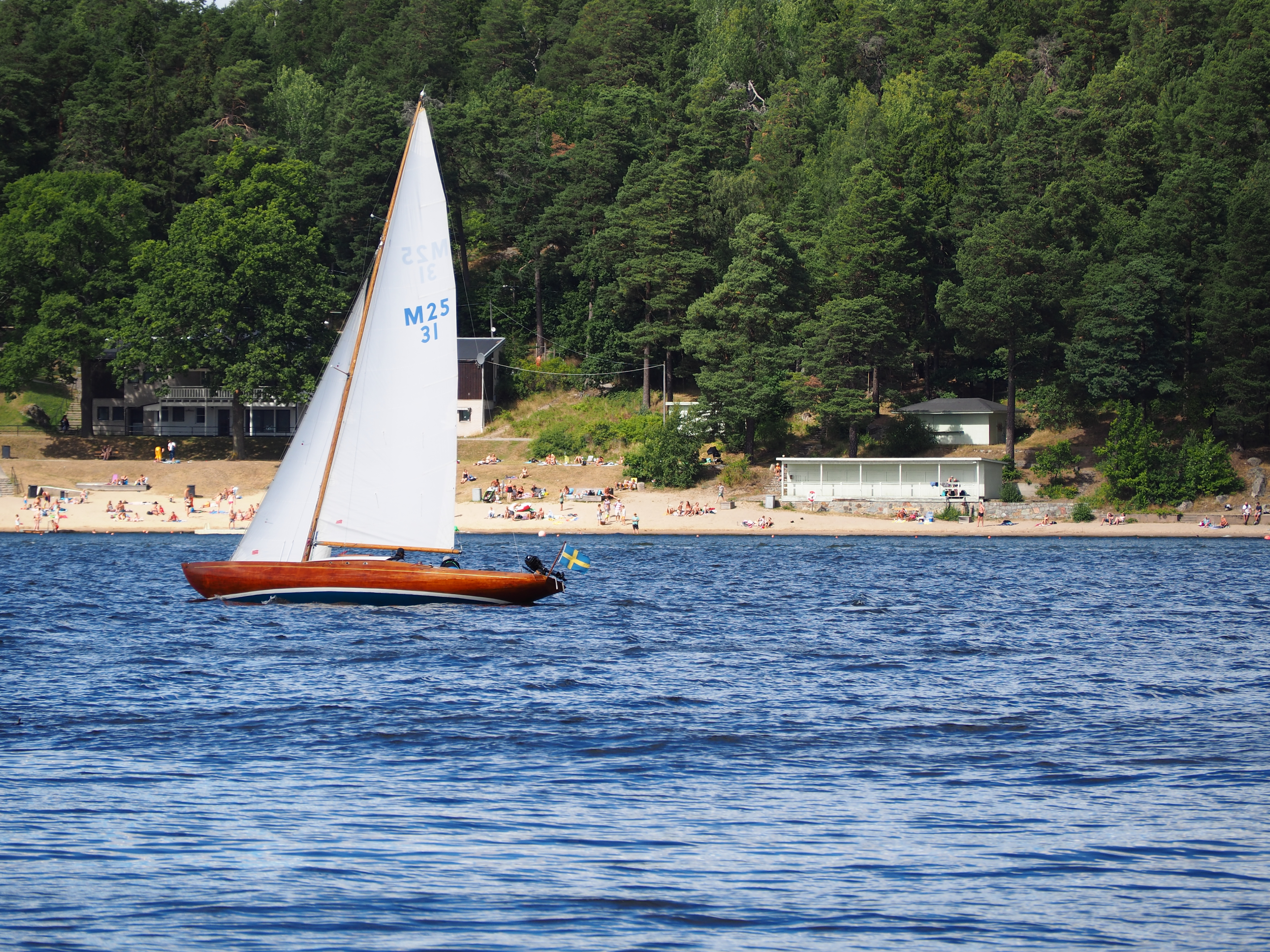
This pilot focuses on monitoring freshwater ecosystems across Europe, particularly lakes affected by climate change and environmental pressures. The pilot studies freshwater ecosystem functioning and biological dynamics cyanobacteria occurences and freshwater phenology derived from EO data. Water quality parameters are validated with in-situ measurements. Study sites include Lake Mälaren in Sweden, Lake Markermeer in the Netherlands, and the Kokemäenjoki watershed in Finland.
Current progress
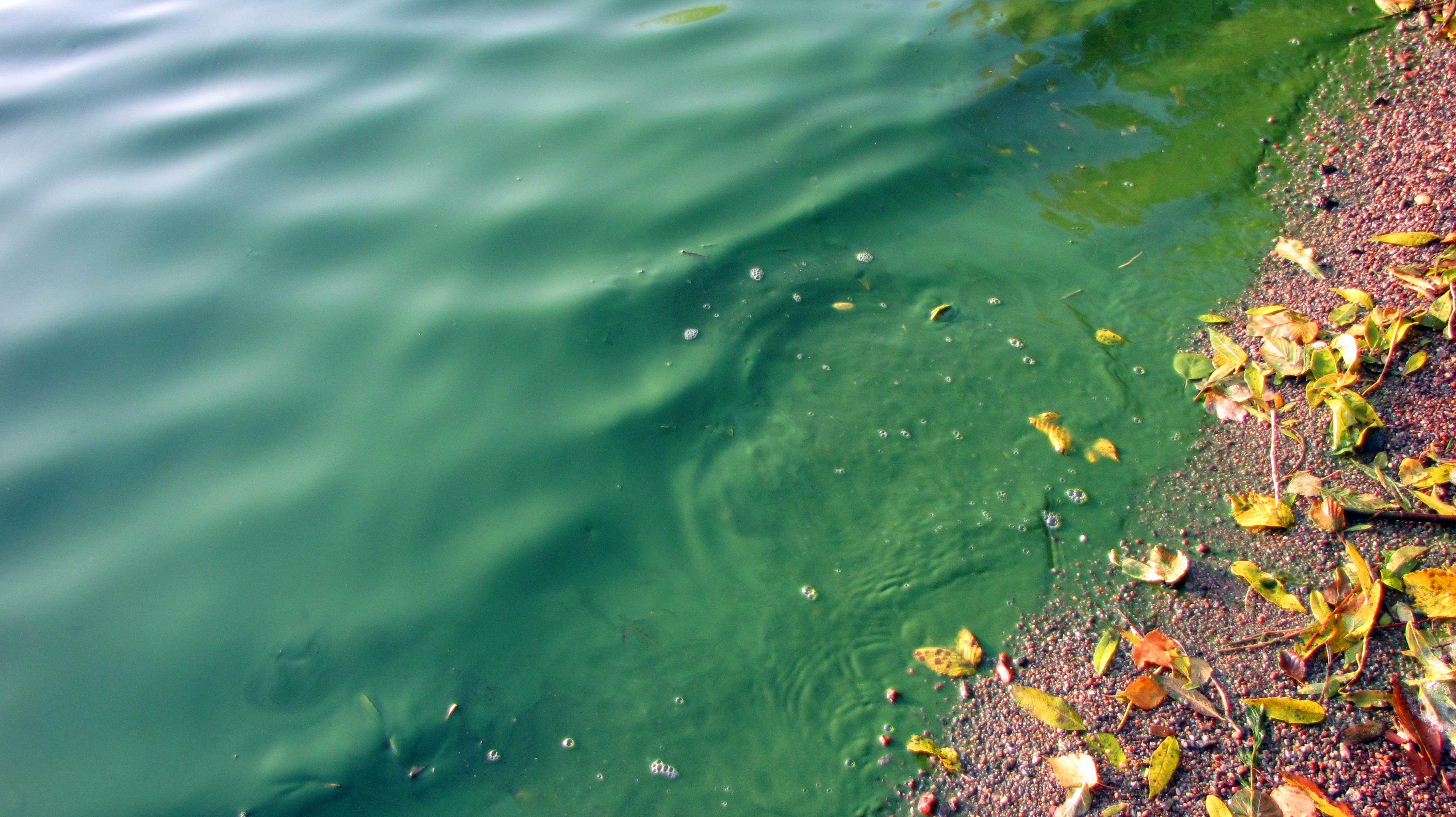
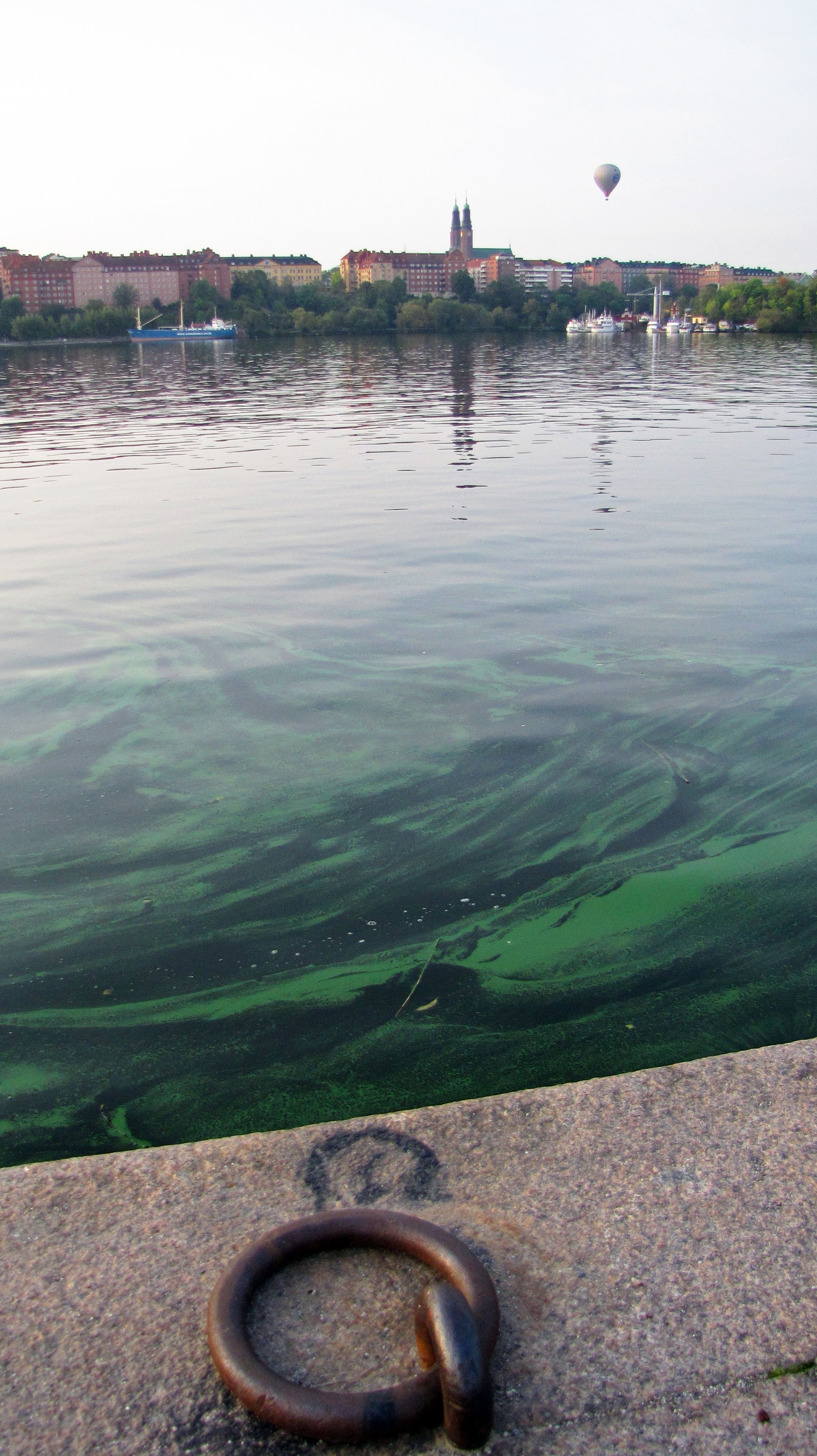
Within the pilot, the following milestones have been reached: A freshwater phenology algorithm was designed and implemented as a Python tool. Water quality parameters and following freshwater phenology were extracted from Sentinel-3 OLCI data for all three pilot sites. Time series analyses were performed on the Sentinel-3 OLCI data to characterize cyanobacteria occurrences and freshwater phenological patterns. A key finding is that cyanobacteria blooms show interannual variability and do not occur consistently across the pilot lakes or their sub-waterbodies. To better understand the drivers behind bloom occurrence, ongoing discussions with WP3 are exploring causal relationships between bloom events and meteorological variables (wind, temperature, and precipitation) as well as outputs from 1D lake models such as thermal stratification and light availability. The objective is to assess whether EO detected blooms can be explained through these drivers.
Scope & background
Freshwater ecosystems are highly sensitive to environmental changes such as temperature increases, nutrient enrichment, and pollution. These changes can lead to phenomena such as harmful algal blooms and shifts in plankton dynamics. Monitoring these processes at regional or continental scale requires satellite observations capable of detecting biological and chemical changes in water bodies. The pilot therefore combines remote sensing observations with field measurements to improve freshwater ecosystem monitoring.
OBSGESSION's contribution
The project integrates satellite data from Sentinel-3 OLCI with water quality datasets and in-situ measurements of surface temperature and phytoplankton dynamics. These datasets are used to develop remote sensing indicators capable of detecting harmful algal blooms and monitoring plankton phenology. The pilot also explores the potential to scale these monitoring methods from individual lakes to European-wide freshwater monitoring systems.
Expected results
The pilot will produce remote sensing products for detecting harmful algal blooms and monitoring seasonal plankton dynamics. These products will contribute to improved monitoring of freshwater ecosystem functioning and provide tools for assessing ecological changes in lakes at regional and continental scales.
Stakeholders
The results are relevant to water management authorities responsible for implementing the EU Water Framework Directive, as well as environmental agencies monitoring freshwater quality. Researchers studying freshwater ecology and policymakers addressing water management and biodiversity protection also benefit from the pilot’s outputs.
